
Somewhere in your TikTok algorithm this week, a person with excellent lighting is selling you £40 gummies to hack your metabolism. In your ears is a podcast doctor whose qualifications are definitely real and supplement line is real-er, elsewhere on the internet is someone cautioning everyone against having more than two meals per day - and you can be pretty sure this advice will all pivot when something else appears to be trendy. Oh, and if you have only just mastered protein maxxing, keep up. We’ve moved on to fibre.
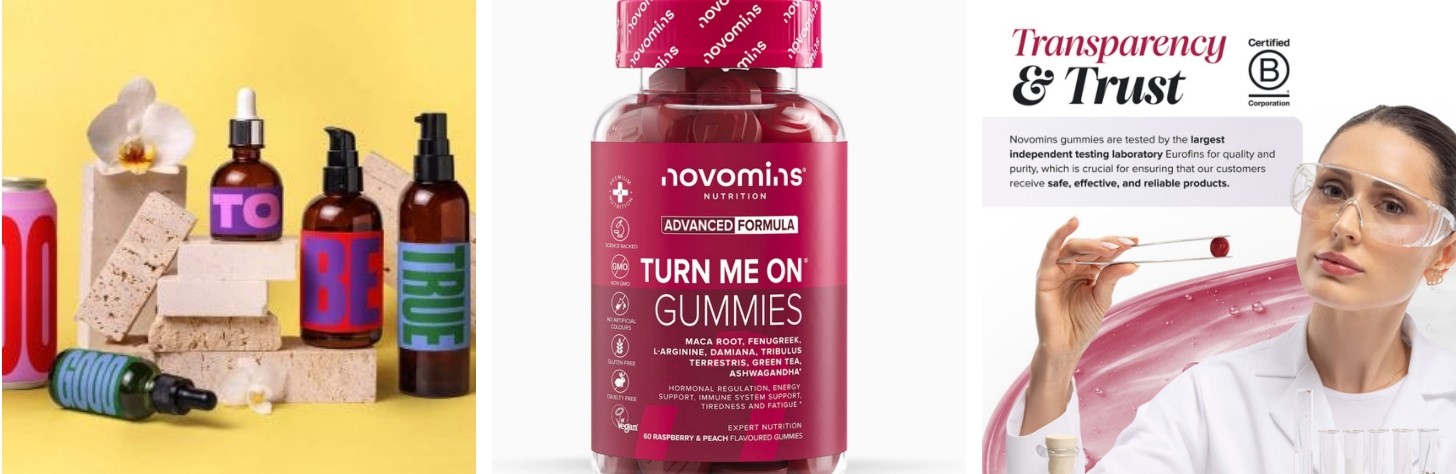
I guess safety specs and a b corp certification = trust?
Living in an age where thin is back in stock
Thin has turned up again, uninvited, with size 0 nutritional guidance in tow and no intention of keeping its voice down. But before you get concerned about the size, don’t worry – the noise and volume it comes with is off the chart. This time around it coincides with a boom in women exercising, pushing themselves and racing more, and it’s exhausting, confusing, and expensive trying to keep up.
If we are to turn away from reels and trends for one second and bury our heads in research, the advice is pretty clear. Research shows it can only take around five days of under fuelling to disrupt the hormonal signalling behind the menstrual cycle; and you’re an active woman chasing a performance goal, you need to move more and eat more if you want to reliably have a benefit from training.
If we go back to first principles, this isn’t surprising. Whilst we’ve evolved to do many impressive, awesome things, the body is still organised around two aims: survive and reproduce. The human body will fight as hard as it can to preserve and create human existence. Therefore, if we put our bodies into aggressive under-fuelling, it will start responding and shutting down functions that are ancillary to these two aims. I hate to be the bearer of bad news, but if your body thinks you’re starving, it couldn’t care less about your 5k PB and it absolutely does not care about getting summer body ready.
Instead, it’s going to slow down your metabolism, and whilst this may sound counterintuitive, eating less can actually stall your progress entirely. If my body doesn’t know when the next meal is and is running on low, every time I eat, my body will think ‘I’d really better make this bagel last because Charlotte might not find food for a while and I have to keep her alive. Let’s shift that metabolism right down.’
Consider this alternative scenario. If my body knows it’s going to get regular, consistent, good amounts of food, it shifts to let me burn more energy and doesn’t just support vital survival functions.
This is a simplistic and illustrative example of the considerably more complicated endocrinology system. But fuelling your body well with great food, consistently, really is much better than slowing down your metabolism, feeling terrible, getting slower, being unable to focus, underperforming, impacting your hormonal health, damaging your bone health in ways that may never fully repair… Need I go on?

What actually is under-fuelling? And why does it matter specifically for women?
Under-fuelling presents across a wide range of ways. Initially, you’re looking at things like fatigue, irritability, underperformance and lack of focus - all with plausible alibis, allowing it to go unnoticed. Then, you’re looking at cycle changes; hormone disruption and risking bone density changes. To be very clear here, your forty-year-old self will not be delighted to discover that the bone she needed was supposed to be built at seventeen: most of your skeleton is built before you’re twenty, and how you live during those years accounts for a good chunk of the bone you end up with.
In young women there is a well-documented link between young athletes whose periods arrive late (the clinical flag is no period by age 15) and a much higher risk of stress fractures in their 20s. Estrogen is a vital component of bone health, and without it, women carry a much higher risk of low bone density. The same goes for lack of menstruation in adults, and outside of bone health, estrogen is important for cognitive function, heart health and mood.
Plenty of women noticing changes to their body decide that the only way to combat this is through restrictive diets and cutting down. But recent research and evidence shows the opposite; think of T3, the thyroid hormone, as the dial that dictates your metabolic speed. It is costly to keep turned up, so when food is short the body turns it down – which is literally the opposite of what was trying to be achieved. Interestingly, cutting carbs specifically seems to make this slowing down faster.
What’s the deal with periods, hormones and under-fuelling?
If last week’s Substack didn’t hammer the message home, here it is again. Your hormones keep you running through an extremely delicate, complicated dance. They’re able to do this not because you’ve balanced them perfectly with those £40 gummies, but because you’ve fuelled your body well with a variety of good and delicious foods.
The clearest sign your system is running well is a period - think of it as your personal health barometer. A regular cycle within a normal range (21–35 days) is a good starting indication that your body is happily ticking along. If your period is consistently over 45 days, or you go three months without one, or you’re concerned about something changing, you should always talk to your GP.
A side note for clarity here for those taking the contraceptive pill: obviously every single woman has the right to it, but most hormonal contraception will disguise, and/or adjust your natural cycle, so you won’t necessarily know if you’re impacting it or experiencing changes.

Advice on how to not take advice from strangers on the internet
In a time where myths, confusion and noise have never been more rampant, I’m only too aware it’s hard to know what to do. Here’s a framework I’d recommend asking yourself first:
Why do I want to do this?
Is their only evidence a personal story?
Does the advice use words with no scientific definition (toxins, cleanse, balancing, etc?
Does it demonise food with zero medical reason?
What credibility do they have beyond confidence?
Is this actually relevant for me, for my body and for what I’m trying to do?
If I told the people who love me, who care about me, that I was taking this advice, would they think it was wise?
■ Founding members · Limited places
For the first time, see how your hormones and metabolism respond to food, and get nutrition built for your body, not an average one.
Claim my place →